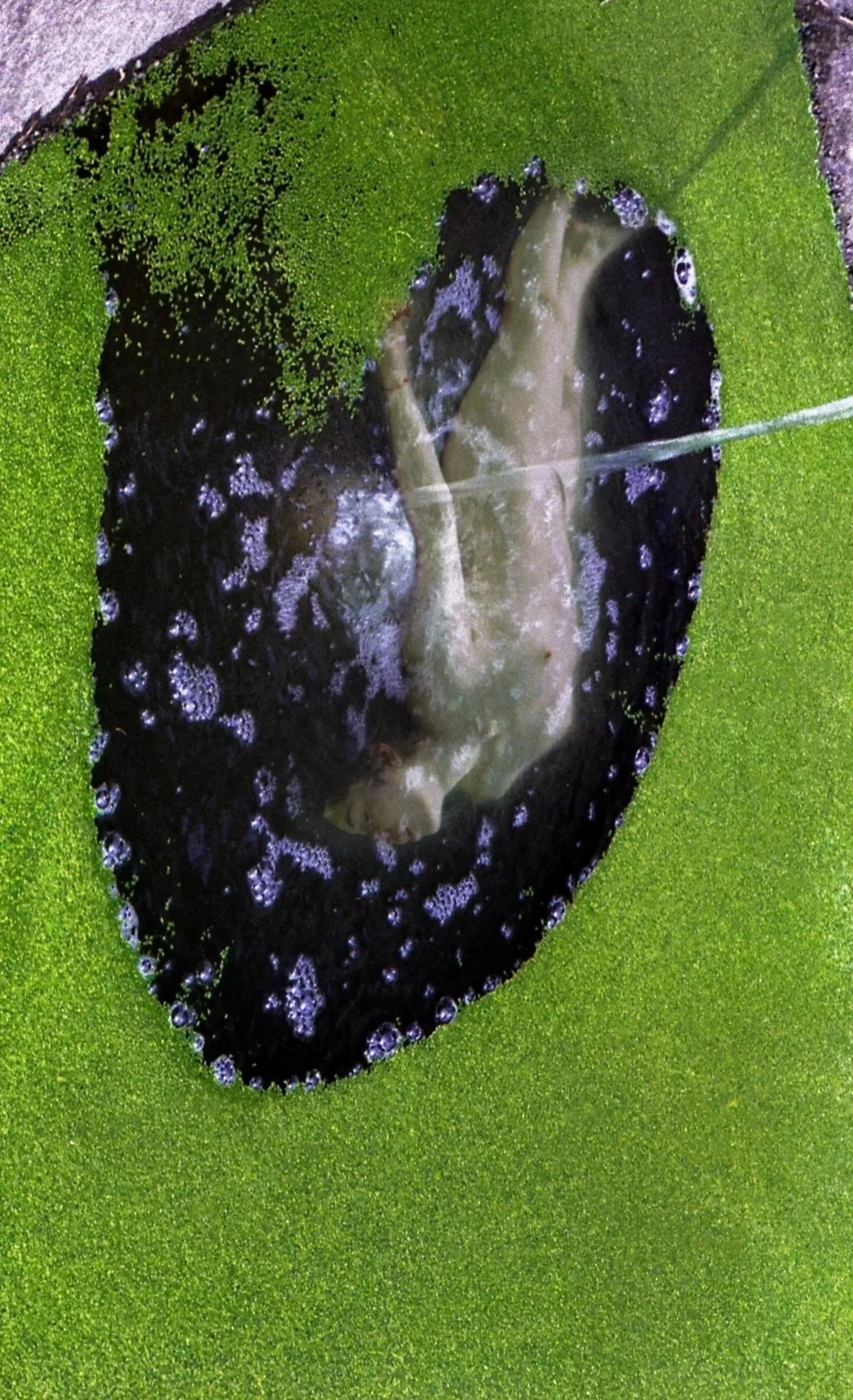

Ophelia in Guayllabamba
2021
Analogue Photography - Double Exposure
La Voluntad de Dios - Chocó Andino
2019
Analogue Photography - Double Exposure
Frailejón - Reserva Ecológica El Ángel
2020
Analogue Photography - Double Exposure
Costillas - Mindo
2018
Analogue Photography - Double Exposure


Raíces - Mindo
2020
Analogue Photography - Double Exposure
Verde - Pedro Vicente Maldonado
2020
Analogue Photography - Double Exposure
Cuello de Luna - Volcán Cotopaxi
2019
Analogue Photography - Double Exposure
Soleil - Andes
2018
Analogue Photography - Double Exposure
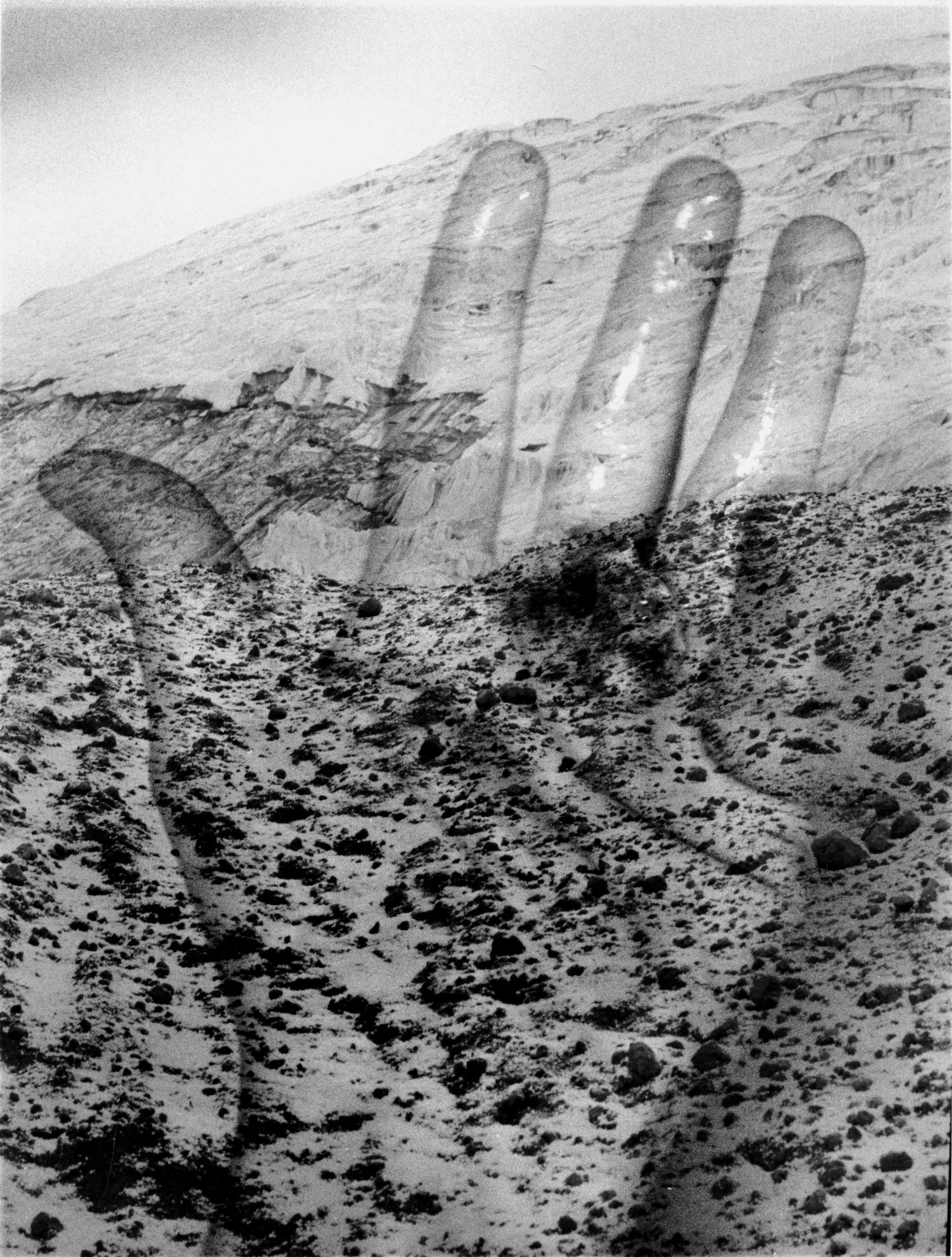


Rucu Adentro - Rucu Pichincha
2020
Analogue Photography - Double Exposure
Good Taste - Chocó Andino
2019
Analogue Photography - Double Exposure
Abuela - Mindo
2021
Analogue Photography - Double Exposure
Regreso
2017
Analogue Photography - Double Exposure


Abuela II - Océano Pacífico
2021
Analogue Photography - Double Exposure
Abuela III - Océano Pacífico
2021
Analogue Photography - Double Exposure
Abuela IV - Chocó Andino
2021
Analogue Photography - Double Exposure
Soleil II - Quebrada Rumipamba
2017
Analogue Photography - Double Exposure


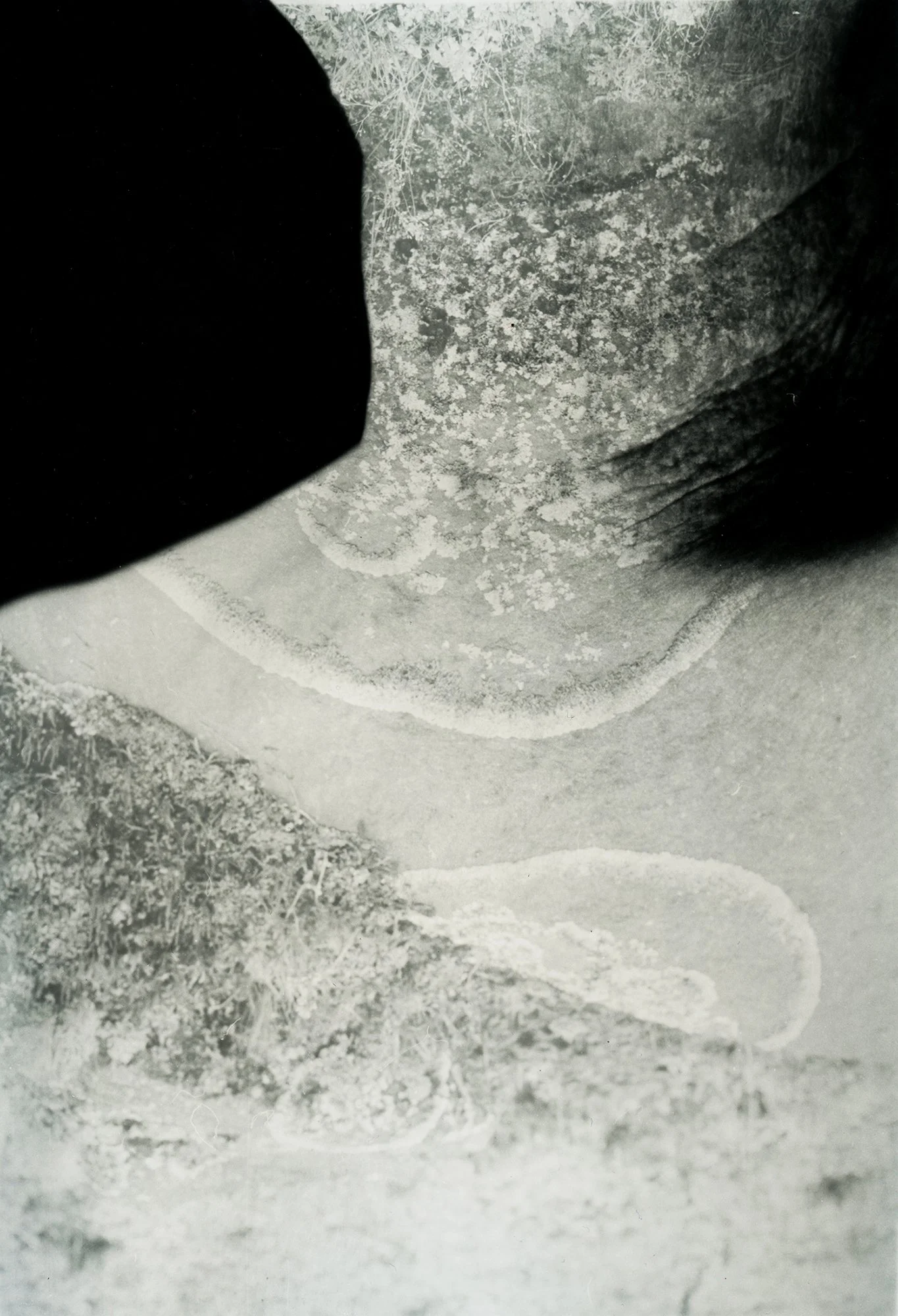
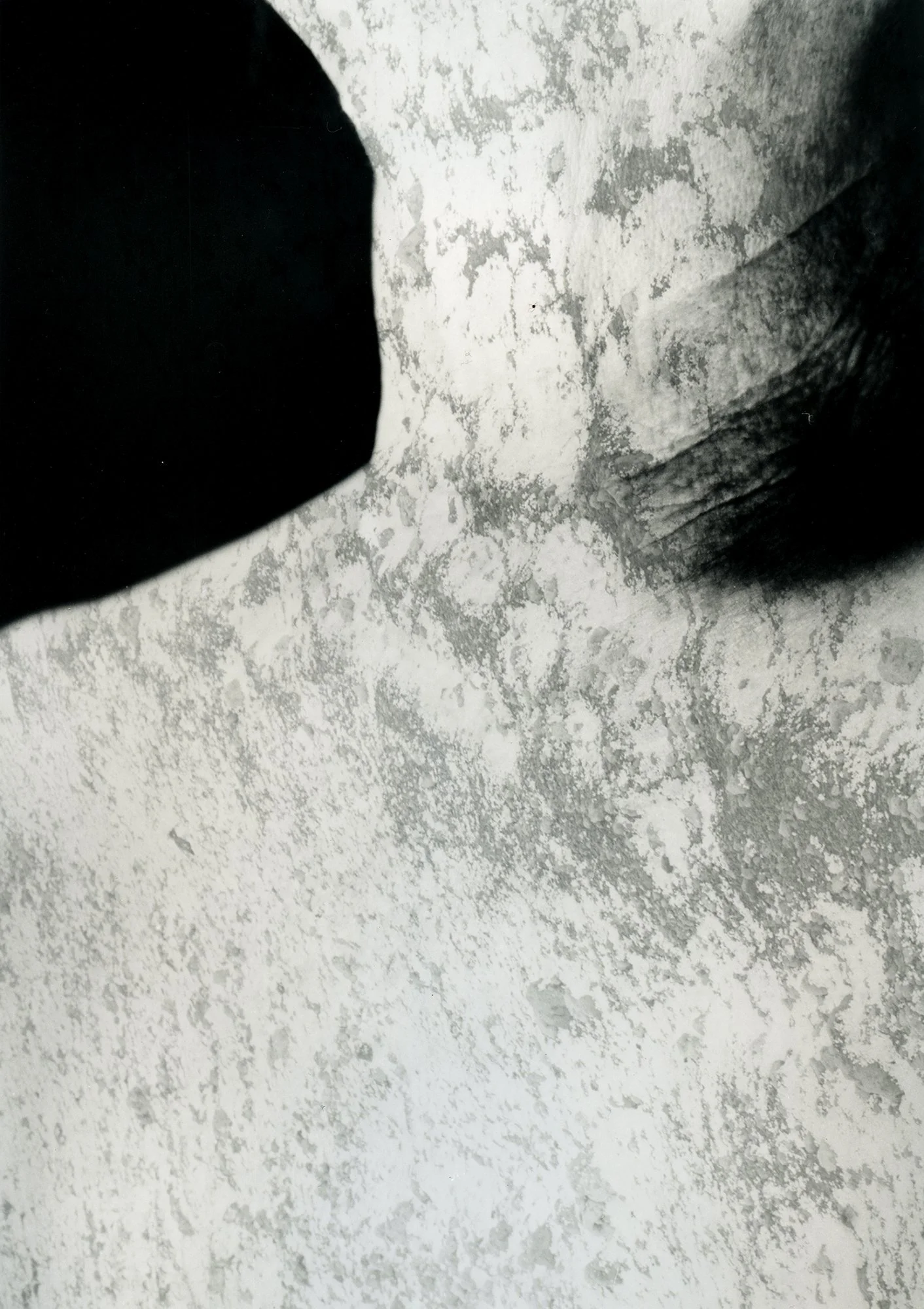
Abuela V - Volcán Quilotoa
2020
Analogue Photography - Double Exposure
Abuela VI - Volcán Cayambe
2020
Analogue Photography - Double Exposure
Corteza - Guayllabamba
2021
Analogue Photography - Double Exposure
La Voluntad de Dios II - Chocó Andino
2018
Analogue Photography - Double Exposure


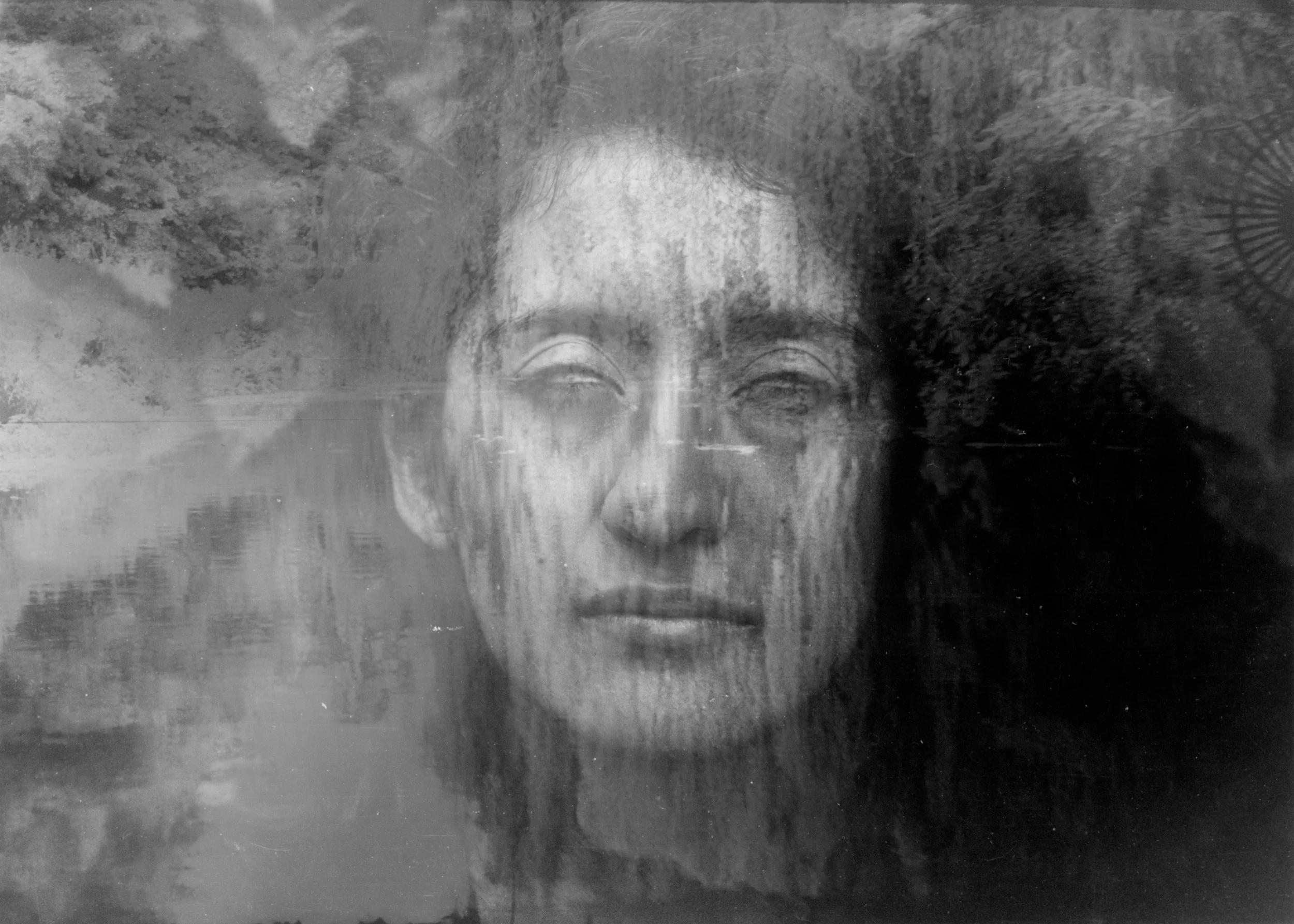

Regreso II - Volcán Ilaló
2019
Analogue Photography - Double Exposure
Abuela VII - Pedro Vicente Maldonado
2020
Analogue Photography - Double Exposure
Mamá - Nanegalito
2018
Analogue Photography - Double Exposure
Regreso III - Volcán Ilaló
2021
Analogue Photography - Double Exposure
Abuela VIII - Reserva Ecológica El Ángel
2021
Analogue Photography - Double Exposure

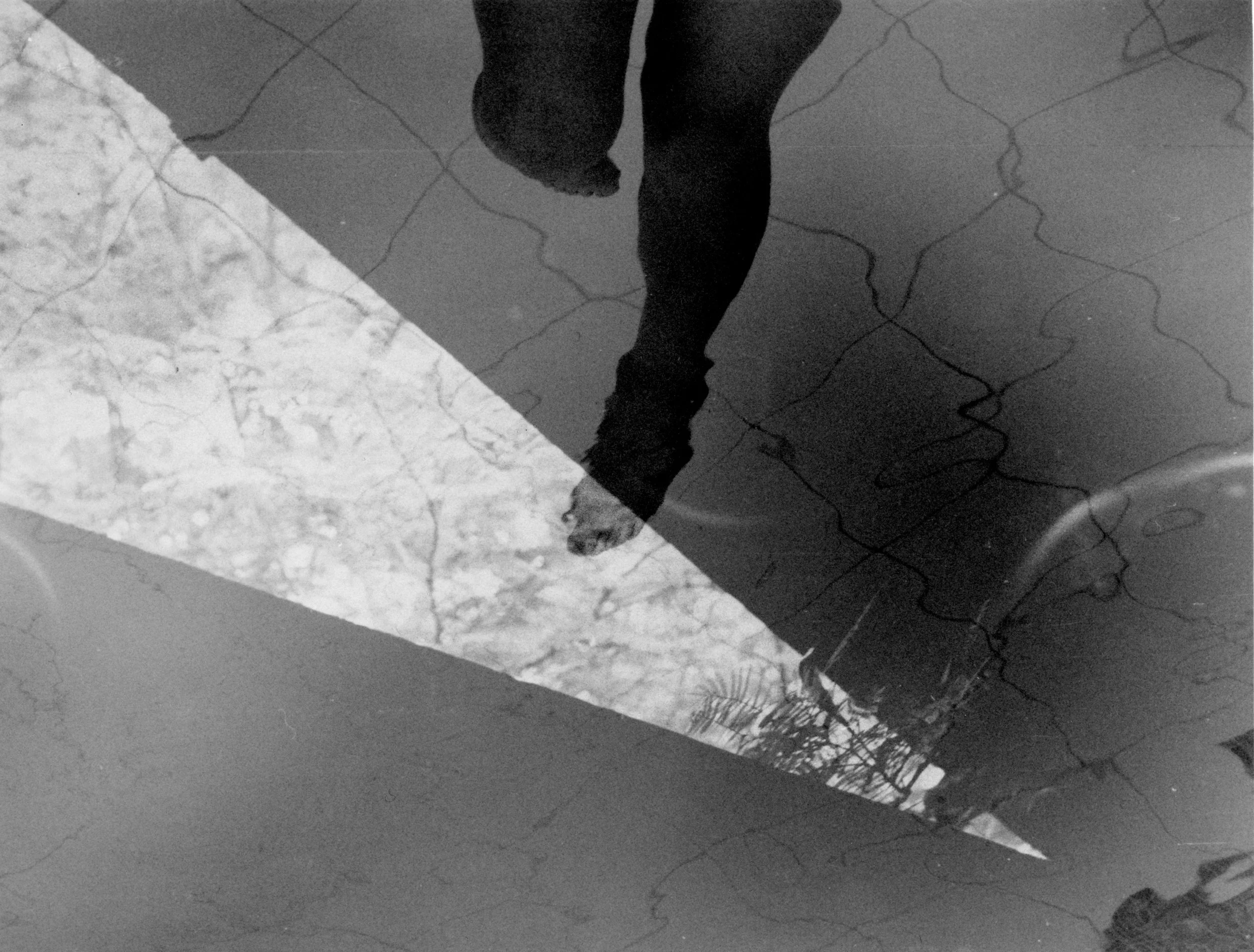

Mimesis, 2019
Ortiga, Quito, Ecuador
Mimesis
Mimesis explores an Ecuadorian visual narrative examining the relationship between the natural world and the human body.
Ecuador's constitutional framework recognizes that nature has rights in its own capacity. This means that a river does not need to demonstrate that its destruction directly harms a human being before its rights can be invoked. Its ecological existence and integrity are themselves constitutionally protected.
Drawing on Erich Auerbach's understanding of mimesis as the historically situated representation of reality, the project considers how our perception of the world is shaped by cultural, historical, and material conditions. Photographed across the Amazon Rainforest, the Chocó Andino Cloud Forest, the Pichincha and Ilaló volcanoes, and the Pacific Ocean, the series questions the representation of boundaries between human and non-human nature, proposing that humanity is not merely part of nature, but nature itself.
The body becomes a landscape: a site of memory, resistance, and transformation, shaped by the same forces that shape the earth. In Ecuador, a territory defined by extraordinary biodiversity yet marked by ongoing environmental degradation, this relationship becomes both intimate and political.
There is no single meaning or representation, but rather the merging of images that leave the viewer to assemble meaning or to simply feel through the affect created by the dialoguing bodies.